There is no typical Mitsubishi owner in the UK.
We speak to Delica owners who have turned their vans into campers and intend to keep them for years. We deal with Shogun owners using their vehicles for towing, farming and trips that would make many newer SUVs look rather delicate.
Then there are the Evo owners. They know exactly which 4G63 they have, which gearbox is fitted and which components they want before they even pick up the phone.
At the other end of the scale, we have L200 owners who simply need their working vehicle back on the road.
The vehicles are very different. The parts problems often are too.
At Nippon Auto Spares, we have been importing Mitsubishi engines, gearboxes and components from Japan since 1995. Mitsubishi has remained an important part of what we do, from older Japanese imports through to UK market cars and commercial vehicles.
The Mitsubishi parts picture has changed again in 2026, so this is a good time to look at what owners actually need to know.
Mitsubishi Is Back In The UK, But Older Cars Still Need Specialist Support
The Mitsubishi story in Britain has changed considerably over the past few years.
In October 2021, Mitsubishi Motors in the UK became an aftersales only business. New vehicle sales stopped, but parts, servicing, warranty work, recalls and customer support continued.
That position has now changed.
Mitsubishi returned to UK vehicle sales in 2026 with the new Outlander PHEV and L200 Series 7. Its sales network is being rebuilt alongside a much larger existing service and parts network.
You can check current manufacturer support through Mitsubishi Motors in the UK.
That is good news for owners.
It does not mean that sourcing parts for an older Evo, Delica, FTO or imported Shogun has suddenly become simple.
Modern dealer support is naturally centred on current and more recent vehicles. Older cars, discontinued models and Japanese market vehicles often require a different route.
That is where independent Mitsubishi specialists and importers still matter.
The Mitsubishi Models We Deal With Regularly
Across our Mitsubishi parts inventory, several groups of vehicles appear again and again.
Delica
The Delica is one of those vehicles people tend to become attached to.
We see owners using L400s and D:5s as family vehicles, campers and long distance touring cars. Many have been in the UK for years and have owners who intend to keep them rather than replace them.
The important point is that a Delica is not just a Delica.
An L400 and a D:5 are completely different vehicles. Even within one generation, engine, transmission and specification can change.
The L400 is commonly associated with engines such as the 4M40 diesel. The later D:5 uses a completely different platform, with engine options varying by age and market. Current Japanese D:5 models use the 4N14 diesel.
That is why we ask for chassis and engine details before supplying significant components.
You can browse our current Delica parts, but if you are unsure which version you have, speak to us first.
Shogun And Shogun Sport
The Shogun has earned its following the hard way.
A lot of the vehicles we hear about have spent years towing, travelling, working on farms or simply covering very high mileages. Their owners often repair them because replacing them with something that does the same job can be expensive.
Engine and drivetrain parts are common enquiries.
Depending on generation and specification, that can include diesel components for engines such as the 4M41 and 4D56, along with transfer boxes, differentials and transmission parts.
With an older Shogun, condition matters just as much as part number.
A used drivetrain component needs to be properly identified and checked before it goes into another vehicle.
Our current Shogun stock changes regularly as vehicles and parts become available.
Lancer Evolution
Evo owners tend to know that waiting until something fails can make sourcing much harder.
Good 4G63 engines and related components for earlier Evos are no longer sitting everywhere waiting to be bought. The same applies to some parts for the later 4B11T cars.
That does not mean they have disappeared.
It means specification and condition matter more than they once did.
We always recommend checking the exact engine code, transmission and vehicle generation rather than searching for an "Evo engine" and assuming every result is interchangeable.
They are not.
For owners building or restoring an Evo, planning ahead can save a lot of frustration.
L200
The L200 sits in a completely different part of the Mitsubishi market.
For many owners, it is a tool.
If it is off the road, work stops.
Older L200 generations continue to create demand for 4D56 and 4N15 engine and drivetrain components. In 2026, the new Series 7 has also brought the L200 back into Mitsubishi's current UK range with the newer 4N16 diesel.
For anyone maintaining an older L200, the vehicle registration alone is not always enough for us to identify a component accurately.
Chassis code, engine code and photographs can make the difference between getting the right part first time and losing several days returning something that was never going to fit.
Outlander
The Outlander built a sizeable UK following, particularly through the PHEV.
We now deal with several generations of Outlander, which means parts requests can range from ordinary petrol and diesel mechanical components through to components connected with the hybrid system.
The PHEV deserves particular care.
High voltage components are not something we recommend treating like an ordinary used electrical part. Correct identification and competent fitting are essential.
If you are buying a component for an Outlander PHEV, tell us exactly what fault has been diagnosed and which part your technician has identified.
GTO And FTO
The GTO and FTO have moved firmly into enthusiast ownership.
That changes how people buy parts.
An owner may spend months looking for the right interior trim, a correct electrical component or an engine part because originality matters more than simply keeping the car mobile.
The GTO's 6G72 and the FTO's 6A12 are well known engines, but suitable replacement parts are naturally less common than they were years ago.
Body panels, trim and model specific electrical parts can be harder again.
For cars like these, sourcing from Japan remains important because the UK donor pool is limited.
The Parts That Tend To Cause The Most Trouble
Large components get most of the attention, but small parts can cause just as much disruption.
Engine management components are a good example.
A failed sensor, throttle body or control module can leave a perfectly usable vehicle parked while the owner searches through listings trying to match numbers.
Diesel components can be similar. Pumps, injectors, EGR components and associated parts vary between engines and model years.
Electrical parts create another problem.
An ECU may physically fit but still be wrong for the vehicle. Immobiliser systems, keys and control modules may need to match or be programmed correctly.
Then there is body and interior trim.
For a UK market L200, finding a trim part may be fairly straightforward. For a Japanese specification Delica or another model that was never officially sold here, the same search can take considerably longer.
This is why we do not recommend buying by appearance alone.
Part numbers, chassis codes and engine codes matter.
Why Japanese Supply Still Matters
For several Mitsubishi models, Japanese sourcing has never been an alternative route. It has always been the main route.
The Delica is the clearest example.
Many versions were never officially sold here, so there was never a large UK dealer stock of model specific components to begin with.
The same applies to less common Japanese market Mitsubishis such as the Legnum, Chariot and certain RVR variants.
Even for models sold officially in Britain, Japan remains an important source of engines, gearboxes, body parts and electrical components as UK donor vehicles become older and less common.
That is where working with experienced japanese car breakers can make a real difference.
At Nippon, we source with the UK Japanese car market in mind. We know the cars owners are keeping. We also know that two components that look almost identical in photographs can have different part numbers, connections or applications.
Matching correctly before dispatch matters.
What We Recommend Mitsubishi Owners Do
The first thing is simple.
Find your chassis code and engine code.
Keep them somewhere easy to access. Take a clear photograph of the vehicle identification plate as well.
Next, keep records of part numbers from anything you remove. Do not throw an old ECU, sensor or module away until the replacement is fitted and working.
If a major component is beginning to show signs of trouble, start looking before it fails completely.
That is particularly useful with older performance cars, Japanese imports and vehicles that you rely on for work.
Most importantly, ask before ordering if you are uncertain.
A short conversation about the vehicle can prevent an incorrect engine, gearbox or electrical component being sent halfway across the country.
Speak To A Mitsubishi Parts Specialist
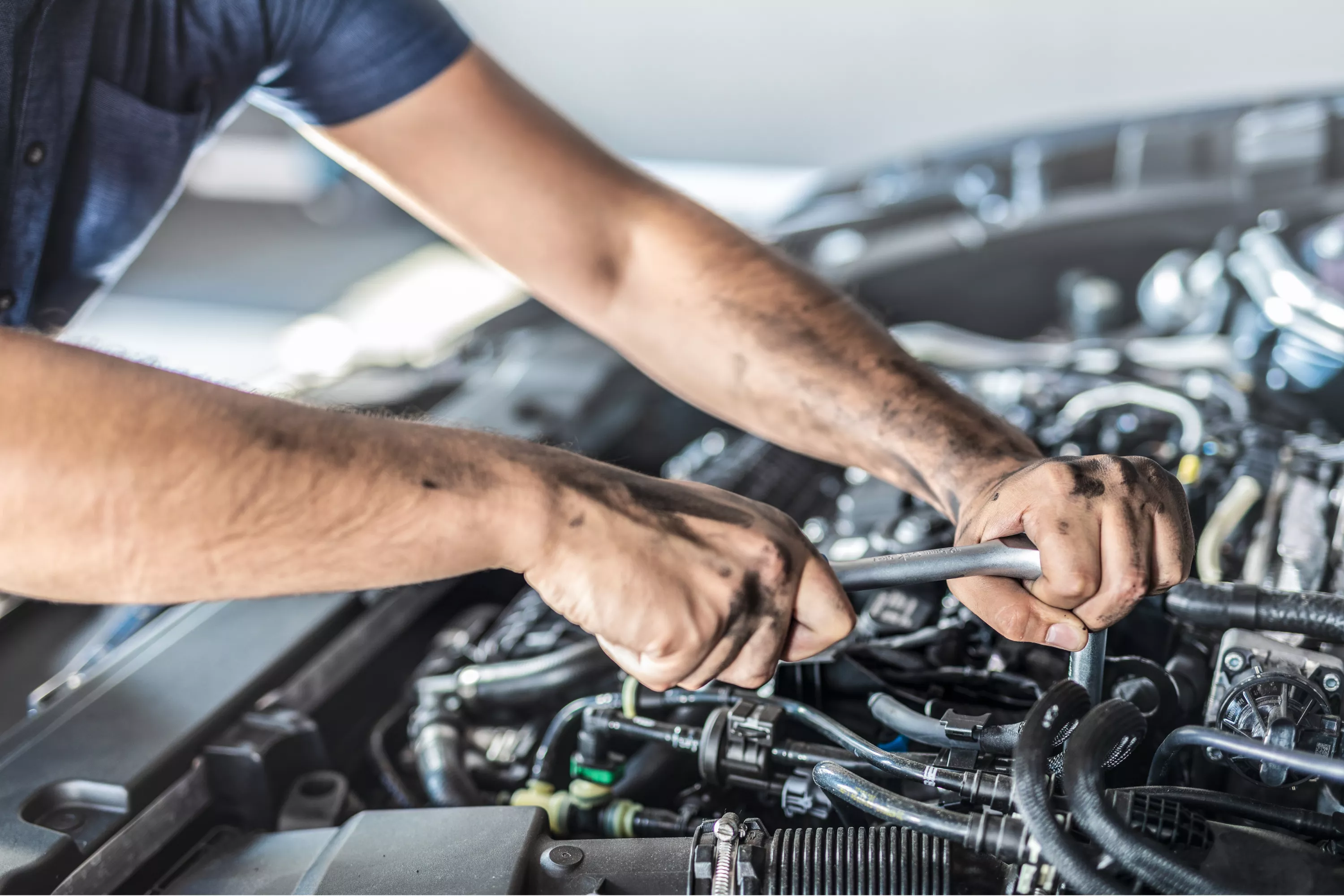
[IMAGE: Mitsubishi Delica, Shogun, Evo or L200 at Nippon Auto Spares in Derby, preferably showing an engine bay, engine or drivetrain component from genuine workshop stock]
We have been supplying Mitsubishi engines and parts from our Derby base since 1995.
Our stock covers everything from working L200s and family Outlanders to Delicas, Shoguns, Evos and older enthusiast cars.
Parts are sourced from Japan, checked before listing and supplied to customers across the UK and overseas.
For customers replacing an engine, we also offer an engine fitting service at our Derby workshop.
If you know exactly what you need, send us the details.
If you are not certain, send us your registration, chassis code, engine code and photographs and we can help identify the correct application.
Call 01332 293 399 or contact our Derby team to discuss your Mitsubishi parts requirements.
Same day UK dispatch is available on qualifying orders placed before noon. Worldwide shipping is also available.