When your vehicle needs a replacement engine, it's natural to have questions about what happens next.
How is the old engine removed? What checks are carried out before another engine goes in? And how do you know everything is working properly once the job is finished?
For many Japanese vehicle owners, an engine replacement is unfamiliar territory. You might know that the original engine has suffered serious mechanical damage, but understanding what happens in the workshop is another matter.
A professional engine replacement involves much more than removing one engine and fitting another.
There's the initial assessment, identifying the correct replacement, preparing the vehicle, checking associated components and making sure the new installation operates as intended.
At Nippon Auto Spares, we've specialised in Japanese engines, gearboxes and genuine automotive components since 1995. Alongside supplying replacement engines, we also offer professional engine fitting at our Derby workshop.
Here's what happens during a typical professional engine replacement and why each stage matters.
1. Diagnosing the Original Engine Problem
Before any engine is removed, the first priority is understanding what's wrong with the vehicle.
An engine can develop problems for several reasons, including overheating, oil starvation, internal bearing damage or mechanical wear.
However, not every engine problem means a complete replacement is necessary.
Sometimes, symptoms that appear to indicate major engine damage are caused by components elsewhere in the vehicle.
For example, a misfire could be related to the ignition system, while overheating might be caused by a faulty thermostat or cooling-system component.
A professional assessment helps establish whether the engine has suffered significant internal damage or whether another repair may be appropriate.
Depending on the symptoms, a technician may investigate:
- Engine warning lights and diagnostic fault codes
- Unusual knocking or mechanical noises
- Oil and coolant condition
- Compression readings
- Cooling-system performance
- Evidence of leaks or contamination
- Signs of internal component failure
The exact diagnostic procedure depends on the vehicle and the condition of its engine.
Importantly, the assessment should also identify what caused the original failure.
There's little benefit in installing a replacement engine if the fault responsible for damaging the previous one remains unresolved.
If you're unsure whether your vehicle needs a complete replacement, our guide on when to replace the engine in your Japanese vehicle is a useful starting point.
2. Finding the Correct Replacement Engine
Once engine replacement has been identified as the appropriate option, the next stage is sourcing a suitable unit.
This is particularly important for Japanese vehicles, where manufacturers often use several variations of the same engine across different models and production years.
For example, Honda's K-series engines are found in numerous vehicles, but individual versions can have different capacities, sensors and external components.
Toyota engines can present similar considerations.
Even if two engines share the same basic engine code, differences in their original applications may affect what is required during installation.
Before an engine is selected, the workshop or supplier should establish the vehicle's specifications.
Information typically includes the engine code, chassis details, model year, fuel type and transmission configuration.
This helps identify whether a replacement is suitable and whether any original components will need to be transferred.
If you don't know your vehicle's engine code, we've covered this in our article on how to find the correct engine code for your Japanese car.
At Nippon Auto Spares, Japanese engine identification and sourcing are central to what we do.
Our experience with Japanese-import vehicles helps us advise customers on the information needed when selecting a replacement engine.
3. Inspecting the Replacement Engine Before Installation
Before a replacement engine is fitted, its condition needs to be assessed.
Even an engine with a relatively low recorded mileage requires appropriate checks.
A visual inspection may identify damaged mounting points, signs of oil leakage or problems involving external components.
Depending on the engine and how it has been stored or supplied, other checks may also be appropriate.
These can include assessing visible mechanical components, checking for abnormal resistance and reviewing any available testing information.
Compression or leak-down testing can sometimes provide useful information about internal engine condition, although the availability and suitability of individual tests vary.
A key point here is that a used engine should never be judged solely by its appearance.
A clean exterior doesn't necessarily mean the internal components are free from wear.
Nippon Auto Spares' published engine fitting service describes quality checks and inspections as part of its approach to supplying and installing Japanese engines.
The checks appropriate to a particular installation will depend on the engine and vehicle involved.
4. Preparing the Vehicle for Engine Removal
Once the replacement has been identified, attention turns to preparing the vehicle.
Removing an engine requires careful planning because it connects to several important systems.
These can include the gearbox, cooling system, exhaust, fuel delivery, electrical wiring and engine mounting arrangements.
Before removal, technicians will generally isolate the battery and prepare the relevant systems so the work can be carried out safely.
Engine oil and coolant may need to be drained, while surrounding components may need to be disconnected or removed to create sufficient access.
Depending on the vehicle, the process can involve disconnecting hoses, wiring connections, intake components and exhaust fittings.
Some Japanese vehicles offer relatively straightforward access to the engine bay. Others have more restricted layouts that make removal more involved.
An engine fitted transversely in a front-wheel-drive vehicle may require a different removal method from a longitudinal engine in a rear-wheel-drive model.
The exact process depends on the manufacturer's service procedure and workshop equipment.
This is one reason engine replacement is best handled by technicians familiar with the vehicle and the mechanical work involved.
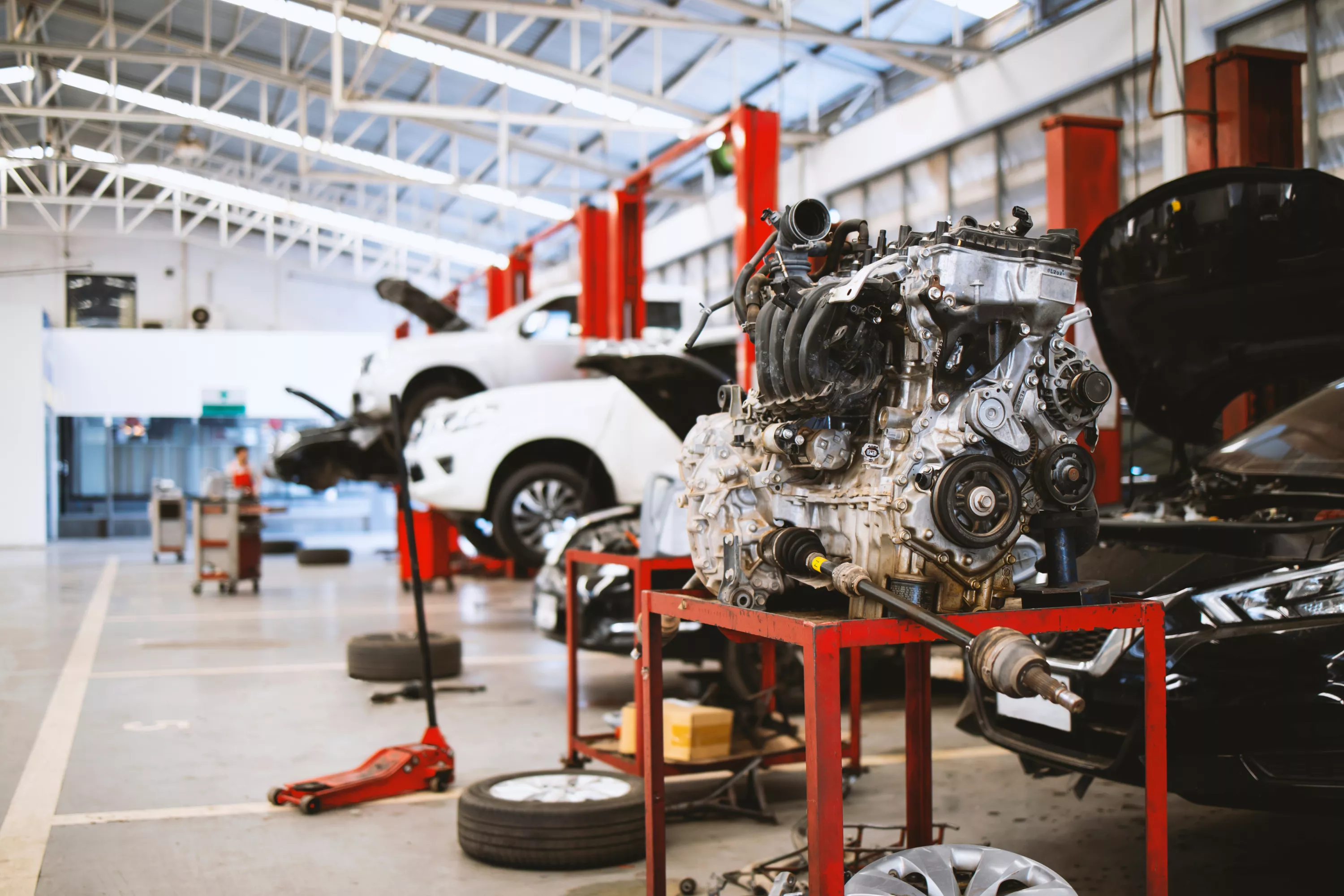
5. Removing the Original Engine
With the relevant systems disconnected and the vehicle prepared, the original engine can be removed.
Specialist lifting equipment is used to support and move the engine safely.
Depending on the vehicle, the engine may be removed separately from the gearbox or together with other drivetrain components.
Neither approach is universal.
Some layouts allow the engine to be lifted upwards through the engine bay, while others may require the assembly to be lowered from underneath the vehicle.
Throughout removal, care is needed to avoid damaging wiring, hoses, mounting points and components that will remain on the vehicle.
The original engine may also contain accessories required for the replacement installation.
These need to be identified and assessed before reuse.
For example, an alternator or starter motor may be suitable for transfer if it is compatible and in good working condition.
However, a faulty accessory should not simply be transferred because it was attached to the old engine.
Once the damaged engine is removed, the workshop also has an opportunity to inspect areas that may have been difficult to access previously.
6. Checking and Preparing Components Before Fitting
This is one of the most important stages of a professional engine replacement.
The replacement engine may be mechanically sound, but problems can still develop if unsuitable components are reused or important service requirements are overlooked.
Before installation, the workshop should establish which components need replacing, transferring or inspecting.
Depending on the engine, these may include:
- Timing belt and associated components, where fitted
- Water pump
- Engine oil and filter
- Spark plugs, where applicable
- Relevant seals and gaskets
- Engine mounts
- Cooling-system components
- Ancillary belts
- Sensors and electrical connections
Not every engine uses the same systems.
Some engines have timing chains rather than timing belts, while different designs have their own servicing requirements.
It's important to follow the manufacturer's procedures and the replacement engine supplier's fitting conditions.
Nippon Auto Spares' engine warranty terms set out specific installation requirements, including lubrication-system preparation and relevant service components.
These requirements should be reviewed before fitting begins.
Why Lubrication System Preparation Matters
Correct lubrication is essential when starting a replacement engine.
Engine oil needs to reach critical moving components, including bearings and valve-train assemblies.
If the engine runs without adequate oil pressure, serious damage can occur very quickly.
This is why appropriate oil-system preparation, priming where required and correct fluid selection are important parts of the installation.
The work should be carried out using the correct procedure for the particular engine, rather than relying on a one-size-fits-all approach.
7. Installing the Replacement Engine
Once the engine and surrounding components have been prepared, the replacement unit can be installed.
The engine must be positioned correctly and secured using the appropriate mounting arrangements.
It also needs to be connected to the transmission and the vehicle's supporting systems.
This stage requires particular attention to alignment, mechanical fasteners and component compatibility.
A mounting bracket that looks similar may have a different offset. An electrical connector might fit physically but still belong to a different sensor specification.
Small differences can create considerable problems if they're overlooked.
The technician may need to transfer suitable components from the original engine to achieve the correct installation configuration.
All relevant fasteners should be tightened using the appropriate manufacturer's specifications and procedures.
Once the engine is mounted, the cooling system, fuel system, intake, exhaust and electrical connections can be reassembled as required.
The precise order depends on the vehicle.
At this point, the engine may be physically installed, but the job is far from finished.
The next steps are about making sure it can operate safely and correctly.
8. Preparing for the First Start
Starting a newly installed engine is an important moment, but it shouldn't be rushed.
Before the first start, the workshop should complete the checks required for the specific vehicle and engine.
These typically involve confirming that fluid levels are correct, electrical connections are secure and the cooling system has been filled appropriately.
The lubrication system may also require priming according to the relevant procedure.
A technician should consider whether any faults identified during the original diagnosis need to be addressed before the replacement is started.
For example, if the original engine failed through overheating, the radiator, cooling fan and associated systems need to be functioning correctly.
The initial start allows the technician to assess the engine's basic operation.
Particular attention may be given to oil pressure, abnormal mechanical noises, visible leaks and engine management warnings.
It's normal for certain systems to require further checks or adjustments after an engine installation.
The important thing is to identify any problems before the vehicle is returned to normal use.
9. Testing the Engine After Installation
A replacement engine should be checked beyond simply confirming that it starts.
A vehicle might idle without obvious problems but develop issues once it reaches operating temperature or is driven under load.
Post-installation checks therefore play an important role in the overall process.
Depending on the vehicle and work carried out, testing may include:
- Checking for oil, coolant and fuel leaks
- Confirming appropriate operating temperature
- Assessing engine idle and general running behaviour
- Checking engine management warning lights
- Monitoring cooling-system operation
- Checking for unusual vibration or mechanical noise
- Confirming transmission operation where relevant
- Road testing when appropriate and safe
Some issues only become apparent once the engine has warmed up.
Cooling-system air pockets, minor leaks or electrical faults may require further attention.
A professional workshop should investigate unexpected symptoms rather than assuming they're normal simply because the engine has recently been replaced.
At Nippon Auto Spares, engine fitting and testing form part of our specialist workshop service, helping customers approach the replacement process with experienced technical support.
10. What Happens After the Engine Replacement?
Once the installation has been completed and the appropriate checks have been carried out, the vehicle can be prepared for collection or return.
Before putting it back into regular use, it's worth understanding any running-in guidance, servicing recommendations or further checks that may apply.
The advice will depend on the replacement engine and the work performed.
A used engine doesn't necessarily require the same running-in procedure as a freshly rebuilt engine, but that doesn't mean the installation should be ignored once the vehicle leaves the workshop.
Monitor fluid levels and pay attention to any new warning lights, leaks, unusual noises or changes in temperature.
If something doesn't seem right, contact the fitting workshop rather than continuing to drive.
It's also important to keep paperwork relating to the replacement engine and installation.
Depending on the change made, you may need to update vehicle information or notify your insurer.
We've covered these considerations separately in our guide to JDM engine swap legality, DVLA, insurance and MOT requirements.
Keeping the appropriate documents helps establish what work has been completed and what engine is now fitted to the vehicle.
Why Choose a Japanese Engine Fitting Specialist?
Japanese vehicles have developed a reputation for sophisticated engineering and a wide range of engine designs.
That variety is one reason specialist experience can be valuable.
From Toyota's VVT-i engines and Honda's VTEC systems to Nissan's VQ engine family, different units have their own mechanical layouts, servicing procedures and compatibility requirements.
A workshop familiar with Japanese engines is better placed to recognise these differences and understand the importance of correct engine identification.
At Nippon Auto Spares, our experience goes beyond supplying replacement components.
We've specialised in Japanese automotive parts since 1995 and offer an in-house engine fitting service at our Derby premises.
For customers who need both a replacement engine and installation support, this means they can discuss the engine and fitting requirements with a specialist business.
Our published fitting service information also explains that UK vehicle collection can be discussed with the team, depending on the customer's requirements.
Frequently Asked Questions
How long does a professional engine replacement take?
The time required varies depending on the vehicle, engine layout, condition of surrounding components and any additional work needed. Some installations are more involved than others, particularly where access is restricted or faults require further investigation.
Does a replacement engine need to be programmed?
Not always. Some installations may involve electronic configuration, component matching or diagnostic procedures, depending on the vehicle. A replacement engine of the correct specification may be able to use the existing vehicle electronics, but this should be confirmed before installation.
Can I use parts from my old engine?
In some cases, yes. Compatible accessories and external components may be transferred if they're in suitable condition. Any component suspected of contributing to the original failure should be carefully assessed before reuse.
Is professional engine fitting worth considering?
Professional installation helps ensure that the correct procedures are followed, compatible components are used and relevant checks are completed. It can also be necessary to meet a supplier's warranty conditions.
Professional Japanese Engine Fitting at Nippon Auto Spares
An engine replacement involves much more than exchanging two mechanical assemblies.
Correct diagnosis, careful engine selection, installation preparation and appropriate testing all contribute to a successful result.
Whether your Toyota, Honda, Nissan, Mitsubishi or another Japanese vehicle needs a replacement engine, getting the right advice before work begins is important.
At Nippon Auto Spares, we've been supplying genuine Japanese-import engines, gearboxes and automotive components since 1995.
Our Derby-based team also provides professional engine fitting, helping customers with the practical considerations involved in replacing an engine.
Need a replacement Japanese engine or specialist fitting advice? Contact Nippon Auto Spares or call 01332 293 399 to discuss your vehicle and engine requirements.